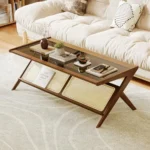
Effortless styling for modern living


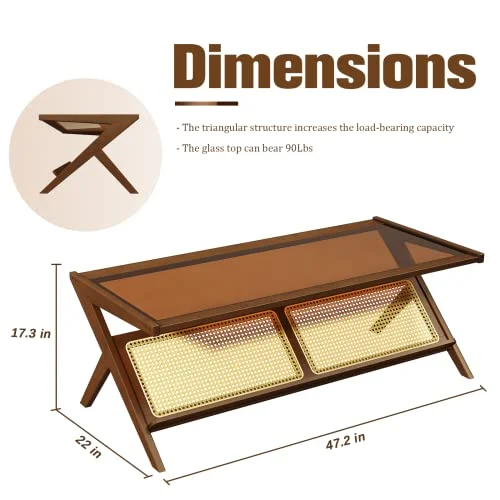
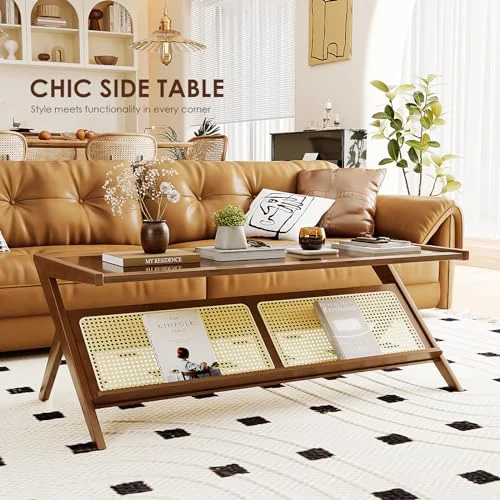
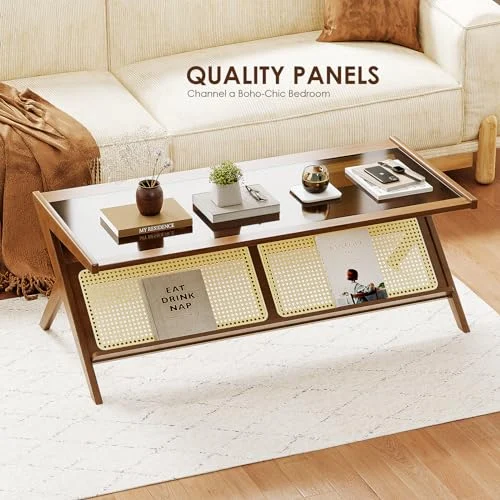
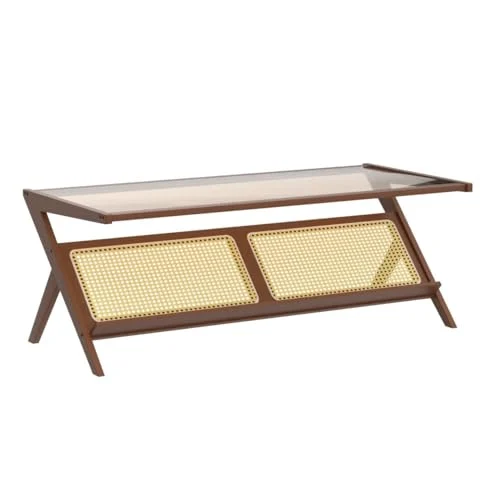

What it really is
A common mistake with a rattan coffee table like this is assuming it is all mood and no substance. In truth, the appeal is more specific: this is a piece meant to soften a room visually, add texture, and sit quietly in a mid-century setting without shouting for attention.
On paper, the combination of rattan and glass sounds decorative first and practical second. That is partly fair. But the glass top does give it a cleaner, more polished presence than a fully woven surface would, and that balance is exactly why this review is worth writing.
What made you doubt it at first
The first hesitation is obvious. Rattan can look charming in a photograph and feel less convincing once it is in a room that already has enough texture. There is also the question of whether a glass-topped table in this style risks looking fragile, too airy, or simply too styled to be genuinely useful.
The product details do not give much away beyond the name, brand, price, and identifier, so there is limited hard evidence to lean on for performance claims. That means the judgment here has to stay honest: this review is strongest on aesthetics, positioning, and value context, not on verified durability testing.
| Detail | Information |
|---|---|
| Brand | Bamworld |
| Style | Mid-century |
| Top | Glass |
| Material cue | Rattan |
| Price | $159.99 |
| Identifier | B0BKZ67NMH |
What it genuinely gets right
Its strongest quality is visual restraint. The mix of rattan texture and glass usually works well in living rooms that need warmth without heaviness, and that is a real design advantage. It should suit anyone who wants the coffee table to read as part of the room rather than the centerpiece of the entire room.
The mid-century angle is also sensible. It is specific enough to feel considered, but not so severe that it locks the piece into one narrow decorating style. For buyers who care about how a room photographs, or simply how it feels at eye level, that matters more than it sounds.
Verdict: this is a design-led coffee table review, and its best case is clear. Buy it for the look if your room already values texture, calm lines, and a lighter visual footprint.
The drawbacks worth knowing
The limitations are mostly about certainty. There is not enough product detail here to confirm build quality, ease of assembly, or long-term durability, so anyone expecting a fully proven everyday workhorse should be cautious. That uncertainty is important, especially at $159.99, where style alone cannot carry the whole argument.
There is also a practical question around glass surfaces in a household setting. Some buyers will love the refinement; others will simply prefer something sturdier-looking, less reflective, or easier to live with. This review cannot honestly promise otherwise because the available data does not support it.
Who should still go for it
This is a sensible choice for someone furnishing a living room with a softer, more curated feel, especially if mid-century style is already part of the plan. It also makes sense for buyers who want a decorative table that brings in natural texture without making the room feel rustic or overly casual.
If your priority is visual balance, this has a clear case. If your priority is proven toughness, detailed construction information, or heavy everyday use, the safer move may be to keep looking.
Best for: design-conscious buyers who want a textured, mid-century coffee table with a refined glass top.
Skip if: you need detailed proof of durability, assembly quality, or a more rugged everyday table.